

OCEAN
ON THIS PAGE: BEACHES | SNORKELING | DIVING
Congratulations, you live on a tropical island! Whether you grew up around palm trees or never sipped from a whole green coconut in your life, exploring the wonders of coastline and sea is likely to be one of your Timor Leste highlights. Read on to get info on Timor’s Beach, Snorkeling, and Diving opportunities, then go find your own favorite ocean activity!
BEACHES
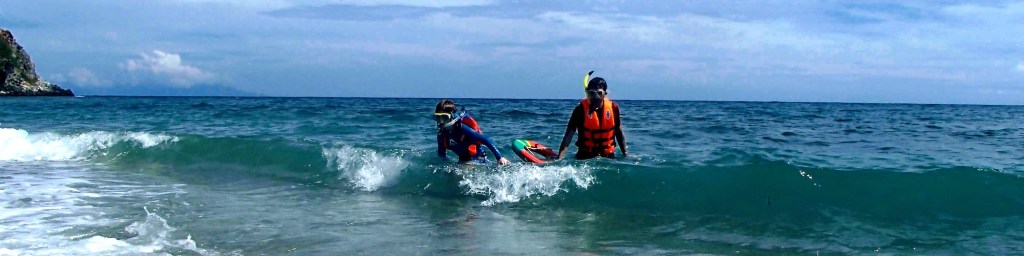
As an expat in Timor, you can brunch on the beach, sun on the beach, play soccer on the beach, do yoga on the beach, see a film on the beach, watch the sunset on the beach… Well, you get the idea. Timor Leste has white sand beaches, black sand beaches, pebbly beaches, busy beaches, got-this-one-to-myself beaches: and a lot of those are in Dili, or not very far away.
Areia Branca (literally “white sand”) in Dili’s eastern Metiaut suburb is perhaps the most popular with expats. Set in a calm harbor, feet-in-the-sand restaurants Beachside and Caz Bar are popular for weekend brunch. Further down the beach, a number of local places also serve food, and sidewalk shelters make popular gathering points for locals. Protected, shallow waters mean kids can splash and swim easily, though some kind of foot protection is recommended if walking far from shore. Small kayaks are available for rent near Beachside.
Cristo Rei Beach, just below the imposing statue of Jesus at the city’s eastern edge, is another well-used stretch of sand. Closer to the open sea, this is a lie-on-the-sand, play-in-the-waves kind of beach. A few trees provide shade, if you are lucky enough to get a spot beneath them on busy weekends. Sidewalk vendors grill corn and sell snacks. The lovely coral reef just offshore offers amazing snorkeling when conditions are good.
Dolok Oan is Dili’s most beautiful, and quietest, oceanside spot. Located behind the Jesus statue, it’s often called simply “Cristo Rei backside” (or, less reverently, “Jesus’ backside”). Framed on either side by hills tumbling down to the sea, this stretch of coastline has it all: shade trees, view of Atauro Island, aqua blue waters, a fringing reef running parallel to shore, mountains as a backdrop, and a curving stretch of white sand perfect for a stroll. Get there by using the Cristo Rei stairs, or on the dirt road accessed by driving up and over from the Metiaut roundabout (you’ll need a vehicle with some clearance).
There’s also Dili’s main beach, of course, along Avenida de Portugal between Pertamina Pier and the lighthouse. Folks from nearby neighborhoods often play soccer on this strip of brown sand, and the narrow, sometimes-crumbling roadside promenade sees walkers and joggers at dawn and dusk. Evening grilled food vendors set up plastic tables and chairs near the Ministry of Foreign Affairs, and several informal sitting spots attract coconut sellers. Given the potential for pollution from drainage ditches emptying out of central Dili, expats usually choose to swim from beaches further out.
A similar beach lies to the west of Pertamina Pier, along the Bebonuk neighborhood. Some expats swear by the fresh grilled fish from small shacks just on the far side of the pier. Oceanview Restaurant sits on this stretch, close to the mouth of the Comoro River.
West of the Comoro, Beto Tasi (Cemetery Beach) is an oft-pebbly bit of coast that’s good for a walk at sunset. Some expats keep small weekend houses here. To get there, wind through the Beto Tasi neighborhood on the airport side of the Comoro’s main bridge. Arriving at a small church, keep going past it along the edge of a cemetery until you come out at the sea; if you are driving a car, it’s best to park at the church.
The Tasi Tolu beach on the western edge of the city has a nice stretch of sand, but no shade. Expats tend to use this beach as a launching point for diving and snorkeling, especially near Dili Rock. You can also climb the rock for a great sunset view. The three inland lakes, from which the area takes its name, are a good place for bird watching.
Beyond Dili, a black sand beach on the edge of Liquica town (45 minute drive west from the capital) hosts coastal restaurants/resorts Lauhata Beach Escape and Alma Do Mar. No reefs here, but you can have a meal on the beach and swimming is pleasant.
One Dollar Beach is about a 45 minute drive to the east, from central Dili. Visitors used to pay a dollar to enter and use well-built shelters. It is now defunct as a formal destination and the gate is generally closed, but you can still access the area by walking in along the beach. It’s a decent place to sit, though there’s not much shade outside the old shelters.
Further east, Wataboo Beach below Baucau offers beautiful stretches of sand and aquamarine waters, often empty except for you and your friends. The coastal town of Com is a favorite for some expats, with its tranquil guest houses set directly on the sand. (Experienced expats advise not to swim at Baucau and Com, because of higher crocodile risk in those areas.) The uninhabited Jaco Island, at the very tip of Timor Leste, is perhaps the holy grail of Timorese beaches.
Atauro Island has a nice stretch of softly sloping sand in front of the Barry’s Place ecolodge. The more remote Akrema Beach, north from the ferry-pier town of Beloi, can be reached by fishing boat. Adara, on the western side of Atauro, is a remote beach town with simple lodging at Mario’s Place. Get there via a long walk or a chartered speedboat.
This is, of course, not an exhaustive list of Timor’s beaches. Explore and find your own favorite spots!
SNORKELING
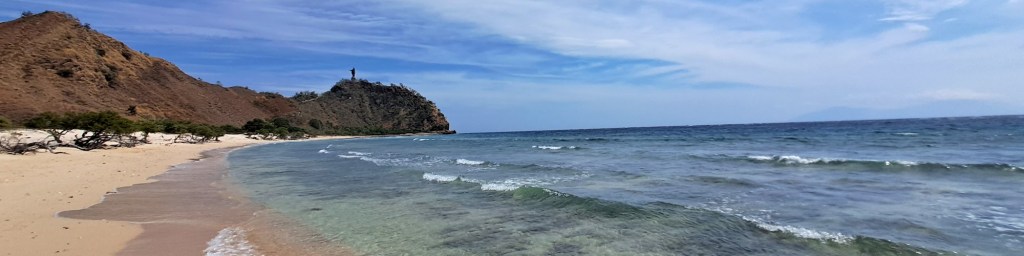
Whether you’ve never stuck your face in the sea and looked down, or you’ve done so hundreds of times, you’ll find snorkeling in Timor Leste amazing and relatively carefree. It’s also largely boat-free: most of the reefs on Timor’s north coast can be accessed by simply walking in off the beach.
Admiring colorful fish happens to be one of Dili Guide’s passions, so we’ve put together a unique Snorkeling Around Dili handbook to help both newbies and experts access Timor Leste’s prime gotta-see-tropical-fish-now spots.
Click the button above to enjoy the most comprehensive listing of fish-ogling-without-oxygen-tanks opportunities that Dili’s ever seen.
DIVING
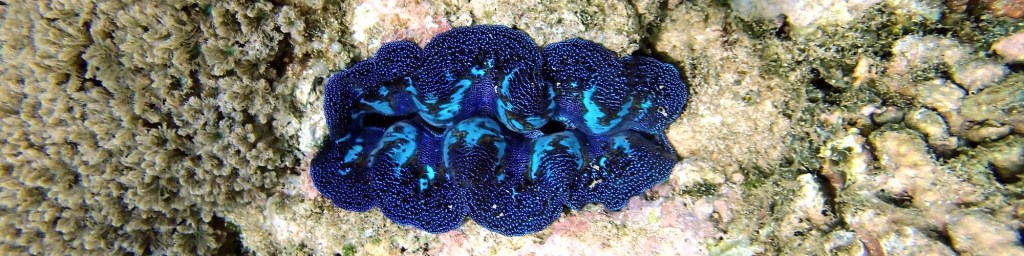
Scuba divers come from around the world to experience Timor Leste’s amazing coral reefs. In an era of mass tourism and coral bleaching, Timor’s thriving ocean environment remains relatively untouched. Never thought you’d dive? If you’re living here, or even just visiting, taking a beginner course might activate a new obsession.
Dili’s dive companies are professional, knowledgeable, and speak a variety of languages. Walk-in dives are the norm on Timor’s north coast, though some operators do boat dives from Dili. On Atauro Island, dives almost always start with a boat ride. Scuba diving predominates, but free divers practice their craft here, too.
Dive operators offer a variety of courses for the novice and for the more experienced. Check company websites for more information, and contact the operators directly for advice and availability.
- Aquatica: the adventurous, free-diving, shark-seeking, swim-with-whales, go-anywhere scuba company
- Atauro Dive Resort: lodge and dive operator on Atauro Island
- Compass: all kinds of water activities from Dili and from their Atauro dive camp, plus boat charters
- Dive Timor: full service dive shop with a Dili hotel and pub, offer walk-in and boat diving
- Dreamers Dive: expat/family fave for Dili-based water activities, also train Timorese divers
- Reverse Freediving: expat-run dive business dedicated to freediving
- Sunshine Divers: Chinese-run dive shop operating out of Dili’s Metiaut suburb
During covid, with Timor Leste’s borders closed, Dili’s dive companies got together to standardize a list of diving sites and explore new ones. The map and video below are two of the results, and will give you a sense of diving opportunities here.

Where Is Dili?
Dili is a developing city with a surprise around every corner. See what you can find.
About Dili Guide
Dili Guide is a community resource for expats coming to or living in Dili.
Get In Touch
diliexpatguide@gmail.com
 Dili Guide