
SNORKELING AROUND DILI
ON THIS PAGE: GETTING STARTED | SNORKELING SITES | TIPS | LEARN
Dili Guide loves snorkeling in Timor Leste. But, we noticed it’s hard to find information about where and how to get in the water around Dili. So, we’re changing that. Below is a list of snorkeling spots followed by thoughts on equipment, preparation, safety, and other considerations. If you have updates or additions, please contact diliexpatguide@gmail.com.
For the information on this page (and elsewhere on this site), there is no guarantee regarding accuracy. Please make informed decisions about getting yourself and your family or friends into the water, and be safe. Most of all, have fun!
GET STARTED SNORKELING IN TIMOR
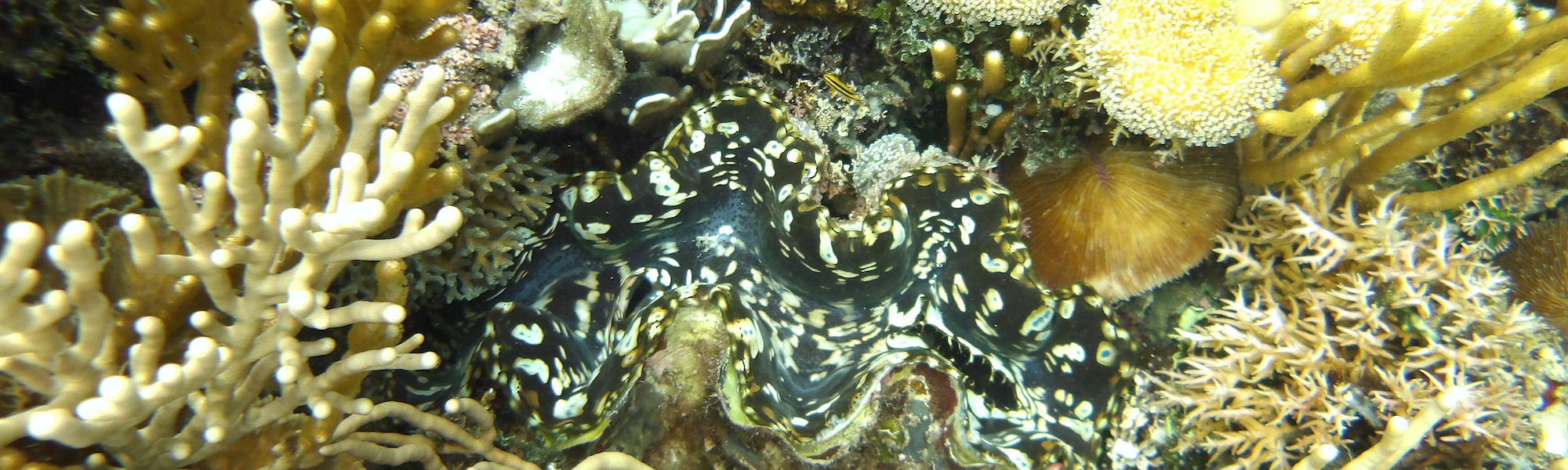
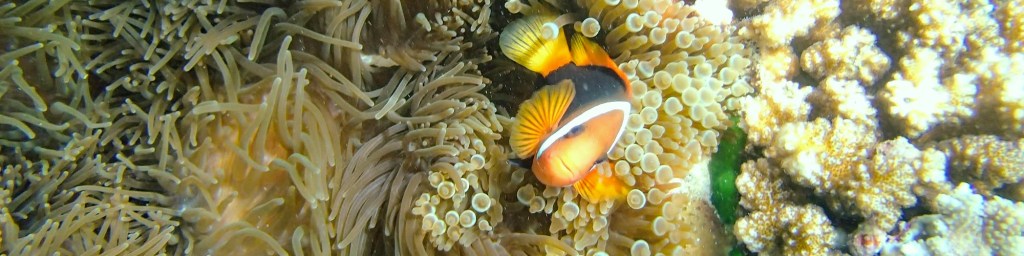
Timor Leste has some of the most biodiverse coral reefs in the world, teeming with colorful fish and other aquatic life. Snorkelers are lucky – there are many world-class sites around Dili and along the north coast. Best of all, at most Dili-based spots you can just roll up to the beach in your car, put on your equipment, and walk in. No need for a boat!
At the bottom of this document, you can find more tips for the beginning snorkeler, or for those new to Timor Leste. If you are looking for more advice, need to buy or borrow equipment, or want an experienced guide to give you an introduction to the sport or to a new site, you can contact the following dive operators in Dili:
- Aquatica: the adventurous, free-diving, shark-seeking, swim-with-whales, go-anywhere dive company
- Atauro Dive Resort: lodge and dive operator on Atauro Island
- Compass: water activities from Dili and from their Atauro dive camp
- Dive Timor: full service dive shop with a Dili hotel and pub, sells snorkeling gear
- Dreamers Dive: expat/family fave for Dili walk-in water activities, sells snorkeling gear
- Reverse Freediving: expat-run dive business dedicated to freediving
- Sunshine Divers: Chinese-run dive shop with a boat anchored off the Metiaut beach
SNORKELING SITES
IN AND AROUND DILI
Dili Rock
Location: https://goo.gl/maps/g6SADXNeghdgoHwE9
Site directions: Dili Rock is the small outcropping that juts out into the water on the west side of the Tasi Tolu beach area. If driving, go past the beach, turn around and head back toward the city. Turn left at the first place you can turn into the large Tasi Tolu beach ‘parking lot,’ then turn left and drive toward Dili Rock, parallel to the ocean. Find the dirt lane that takes you down through a significant dip then runs along a tree-line fence, keep going a short way toward the rock until the lane opens out into a small parking area: this is the setup and entry site for Dili Rock water activities. There are a few small shelters set into the trees. It’s not unusual to find one of the dive operators set up here. DG Tip: Climb Dili Rock for a great sunset vantage point.
Recommended tide: Any
Out-of-water site description: Decent sandy beach though not much shade, unless you use the small pavilions tucked into the treeline
Entry point: The best point to get in is not far from Dili Rock at the ‘parking area’ described above; basically you can look into the water and see the dark color on the left-hand side close to Dili Rock that is rock and reef, and then on the right-hand side the lighter color that means the sandy ocean floor is underneath – enter over the sandy area close to the rocky area
In-the-water site description: Once in the water, you can swim over the sand to look for puffers, goatfish feeding, and other sand creatures, but the best path is to slowly angle left and follow the edge of the reef as it curves around the outthrust of Dili Rock; take care current doesn’t push you onto the rock
Note on Dili Rock/Tasi Tolu snorkeling area: The Tasi Tolu beach and bay is basically one big snorkeling site. One of the biggest upsides of this area is that you can start to see coral and fish almost immediately after getting into the water, as the reef begins quite close to shore. To see the biggest section of coral reef, enter and snorkel at the Dili Rock site as above. A narrow reef also runs parallel to shore pretty much all along the Tasi Tolu beach. However, snorkeling anywhere other than the Dili Rock area will mostly be about exploring the large expanse of sandy seabed in the bay, and possibly seeing a dugong.
Tasi Tolu
Location: https://goo.gl/maps/xETigvsY3v3V9T4g9
Site directions: Enter the Tasi Tolu beach area and park somewhere toward the city end of the beach
Recommended tide: Any
Out-of-water site description: Standard urban beach, no shade
Entry point: Enter at a good place toward the city end of Tasi Tolu beach
In-the-water site description: There is a large expanse of sand and seagrass: the main reason to snorkel here is to try to catch a glimpse of the resident dugongs, or see other sand creatures, or maybe get lucky and run into something unusual dropping by shore from the deeper ocean (sometimes a turtle!)
Christo Rei frontside
Location: https://goo.gl/maps/wd7E12ZoPswv1zYN9
Site directions: Get yourself out beyond Metiaut and Beachside to the Jesus statue parking lot, in your car, your bicycle, a taxi, a microlet, or by foot
Recommended tide: High or medium-high tide (so you can swim out over the rocks instead of having to walk on them)
Out-of-water site description: Nice white sand, a bit of shade from trees, often vendors around selling food, beach can be quite crowded on the weekends
Entry point: Traditional entry point is by the big flag pole, though as long as conditions are favorable you can get in anywhere along the beach
In-the-water site description: Swim out a good way over the rocks to the reef, the reef runs parallel to the shore pretty much the whole length of the beach; rumored to be a resident sea turtle that sometimes appears
Christo Rei backside
Location: Dolok Oan (local name) https://goo.gl/maps/Hm959haFtyxd4PGx7
Site directions: From the Metiaut roundabout, drive up the hill past Maun Ramos Horta’s house to the crest then go down the other side. At the bottom of the hill take a sharp left turn on a dirt track. Follow that track (vehicle with high clearance highly recommended) for about 20 minutes around a couple of headlands till you get to the dead end at the beach. You can also walk over from the Cristo Rei frontside parking lot, using the Jesus statue stairs.
Recommended tide: Best at medium or high tide, lowish tide sometimes possible if you pick the right entry point
Out-of-water site description: Now here is your picture-perfect curve of white sand and blue-teal water, there’s a good amount of shade from trees growing right on the beach, families are often setting up under a tree and having a meal, lovely beach to hang out on
Entry point: Anywhere along the beach that looks good to you, at low tide you might still be able to enter more easily via a couple of sandy entry points – there’s one close to the stairs and one down toward the eastern end, look for the lighter patch of green/blue water that means sand (not rocks) underneath
In-the-water site description: Depending where you get in, it’s pretty rocky walking in, thus the high or medium recommended tide so you can swim out over the rocks instead of having to walk on them; in the water, you have to swim out pretty far to get to the reef, which runs parallel to the shore the length of the beach
Secret Garden
Location: https://goo.gl/maps/nDt97YRW9rAC8fzT7, 8°29’23.2″S 125°49’57.8″E
Site directions: Head east out of Dili through Hera, just after km marker 35 turn left down a dirt lane through some palm trees
Recommended tide: High or medium tide
Out-of-water site description: Some shade nearby but not super inviting for long sitting, park under one of the oceanside trees
Entry point: Enter to the left of the lone tree sticking up out of the water
In-the-water site description: There is a gentle slope of flattish, broken rocks out to some sand and then the reef, you have to go out a fair way to find the main line of coral; a well-constructed reef runs along the edge of a drop-off, explore to the left or right depending on conditions; look for nudibranchs, particularly in the medium-depth middle section before the water gets deeper out toward the drop-off
One Dollar Beach
Location: https://maps.app.goo.gl/opbZk7hCUoha89x18
Site directions: Round a hillside outcrop just shy of the 38 km marker outside of Diil to the east, and you’ll see a long stretch of sand with crumbling infrastructure behind a stone wall. The gate is likely to be closed/locked as no one maintains the place now, so keep going past the beach then turn toward the water at the dirt lane immediately before the 38 km marker. Drive in past a house and park on the beach then walk to the left along the coast into the One Dollar area. You can also continue to the right along the coast to find some beachside trees for sitting.
Recommended tide: High or medium tide
Out-of-water site description: The stretch of white sand is pretty nice, this used to be a destination beach with tourist infrastructure that charged – you guessed it – one dollar to use the facilities, now the restaurant, bathrooms, and high metal towers (for viewing and shade) are falling apart; the almost complete lack of shade (other than the run-down structures) makes the beach unappealing for sitting for much of the day, unless you bring your own roof
Entry point: Anywhere along the beach, though the general wisdom is to enter in the middle of the stretch, then whichever way the current is going you can ride it until you have to get out because you’re closing in on the rocks that frame the reef
In-the-water site description: The sea floor slopes gradually out toward the deeps, with some broken rocks and then more and more coral as the water gets deeper; the gradual floor slope and relatively protected waters can make this a decent spot for beginners or families with younger kids to try snorkeling, look out for lots of juvenile fish in the right season
K41
Location: https://goo.gl/maps/gmkPJ6PLF4sCdNd9A
Site directions: Access to the beach is via a dirt and gravel track literally in between two roadside restaurants just after the 41 km marker (thus the dive site name). The track is a short, rutted, stony bit down from the road to the beach; it’s easy to miss. Recently there is a public restroom there, with a sign in Tetum, and a paved sidewalk leading down from the road to the toilet.
Recommended tide: Any tide
Out-of-water site description: A rocky beach that’s definitely not your picture-perfect curve of white sand, but definitely is suitable for setting up camp under trees just back from the beach’s slope
Entry point: On the rocky point at the end of the access track, enter the water just to the left of a field of larger rocks
In-the-water site description: A deep wall reveals itself immediately after entering, follow the wall as it curves to the right to explore a large reef area with a shallow drop-off; since mid-2023 there is a shipwreck here, an old military boat intentionally scuttled for underwater research and sightseeing, the bridge sits around 10 meters deep so snorkelers might be able to see it on a clear-water day
Behau
Location: https://goo.gl/maps/miYJhn6tM5CEscm29
Site directions: Site is just past K41, after K41 go past the row of open-air restaurants that are right along the ocean, soon the road makes a sharp curve to the left to go up around a rocky point, just before that curve turn left onto the dirt track toward the ocean, drive the short way (possibly through some tall plants) and park on or next to the beach
Recommended tide: Any
Out-of-water site description: Beach is a bit rocky with flat dark stones but still ok to sit on, does have some shade trees, there’s a cluster of houses nearby and often some fishing boats up on the beach, beware of fishing lines running into the water
Entry point: Enter around the point where the dirt track runs onto the beach
In-the-water site description: Swim out over the sand until you get to an edge where it drops down deeper, there is interesting sea life and corals along the edge; swim to the right to get to a shallower reef area with some coral chimney formations along the way, look for garden eels sticking up out of the sand as you get close to the shallower reef area, and keep an eye out for lionfish
Anemone garden/One tree
Location: https://goo.gl/maps/x437npg9Pgzz4WBt6
Site directions: Past K41, around 5 km further towards Manatuto, park on the side of the road (no great parking spot), don’t look for the one tree since it died and disappeared a few years ago.
Recommended tide: Any tide – easier at high tide, though, especially if windy
Out-of-water site description: Rocky beach, no shade
Entry point: Get in at the front of the sloping entryway, where you would bring your car down to the flat area
In-the-water-site-description: Most noticeable feature, and the main highlight for snorkeling, is a large patch of anemone about 10 meters below the surface
Sandy Bottom
Location: https://maps.app.goo.gl/hF9GBV7tFU5w181P9
Site directions: 10-15 minutes past Tibar, on the way to Liquica
Recommended tide: Medium to high tide, low tide entry might be possible but needs to be done at exactly the right spot
Out-of-water site description: Decent beach, shade trees just back from the main beach area, easy enough to set up in the shade then go enjoy the beach and ocean
Entry point: Best to get in at a particular spot where the sandy ocean floor comes all the way to the beach – look for the local fishing boats pulled up on shore near the small fishing village, and the lighter blue-green color that means sand under the water, not rocks; getting in elsewhere means you are probably entering right on top of the reef, which should particularly be avoided at low tide
In-the-water site description: “Sandy Bottom” is pretty descriptive, watch for dugongs and garden eels
Larson’s spot
Location: https://goo.gl/maps/n8WLete7X3WZD22A6, 8°33’49.6″S 125°23’41.7″E
Site directions: Same as above, and just before the coastal cement plant that has a pier
Recommended tide: Any tide, low tide entry can be tricky
Out-of-water site description: Same as above – this is essentially the same beach as Sandy Bottom, just a little further west
Entry point: Enter at a good-looking point along the beach, fairly easy entry, though there is a shelf of cement-like compressed rocks and sand that you don’t want to get knocked down onto if the waves are bigger or it’s low tide
In-the-water site description: Some nice coral outcrops and a spreading reef on a sandy floor not very far out
Bubble Beach
Location: https://goo.gl/maps/HyZKuyGz2au9Pk5P6
Site directions: Just before Liquica town, near an old falling-down monument, on the eastern edge of a large cleared area that looks like it could be a huge parking lot or soccer field but doesn’t really appear to be used for anything…
Recommended tide: Any
Out-of-water site description: Small slice of sandy beach, lacks shade
Entry point: Pull up to the beach at the eastern edge of the large parking lot-like area, get in, swim out a bit, and explore
In-the-water site description: Explore the reef running parallel, and fairly close, to the shore; look out for some majestic coral domes and outcrops
AWAY FROM DILI
Atauro Island
Atauro has an amazing, protected reef just off the ferry pier in the main town of Beloi. At Barry’s Ecolodge, you can hire a fishing boat to take you out to the reef for an hour, and Barry has a collection of snorkeling gear to borrow/rent if you need it. Compass or Atauro Dive Resort have dive boats and snorkeling equipment, and can give you a guided snorkel session on that reef, other locations around Beloi, and other parts of the island.
While most snorkeling sessions on Atauro begin with a boat ride, walk-in snorkeling is possible on the south side of the ferry pier. Walk down a couple hundred meters from the pier to enter, then swim out to explore a nice reef running parallel to shore along the shipping channel drop-off.
Watuwai is another well-known reef farther out. Visitors can take a fishing boat from Barry’s, but it’s recommended to engage one of the dive operators as the water is deeper, waves can be wilder, and tide is important – so the benefits of having a guide are high. It’s possible to see sea turtles there while snorkeling.
Adara, on the western side of the island, has lovely walk-in snorkeling, with a spectacular vertical drop-off. Getting there, however, generally requires a very long walk or a significant boat ride from Beloi. There is simple lodging at Mario’s Place.
Learn more about a trip to Atauro in the “Overnights” section on our Sights page.
Jaco Island
Jaco Island is one of Timor’s most beautiful and unspoiled white sand beaches – at least out of the ones that are easy to get to. Did I say easy? Well, it’s about an 8 hour drive from Dili, the last two hours on a very bumpy road, and then a 10 minute boat ride to finish the trip. But it’s worth it!
Learn more about a trip to Jaco in the “Overnights” section on our Sights page.
Snorkeling is amazing from just about any point on the stretch of beach opposite the mainland, where the boat will deposit you. You can also snorkel from Valu beach on the mainland, though in some places the reef is quite far out. Jaco is one of the only sites in Timor where expats regularly report seeing a shark while snorkeling. Note: there have been rumblings about crocodile sightings in 2023.
SNORKELING TIPS
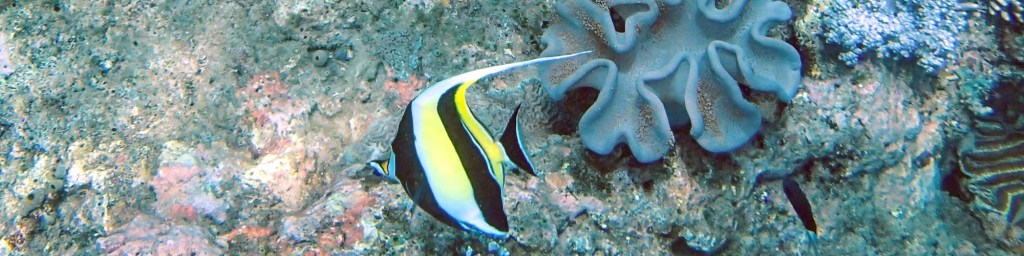
In this section we cover some basics of snorkeling, applicable to Timor or anywhere else it’s worth putting on a mask and staring down at the bottom of the ocean. Read on to find info on equipment, preparation, potential dangers, and what to do in the water.
EQUIPMENT
Quality snorkeling equipment can be hard to find in Timor Leste. Dive Timor and Dreamers Dive both sell imported gear at their small stores. Dreamers usually has kid’s equipment.
If you are only staying in Timor for a short time, or you just have to get in the water right away upon landing, bring gear with you. If you are going to live here and have some time to settle in, consider buying your stuff in Dili to support the dive shops who take the trouble to import. Cheaper equipment is sometimes available in Dili’s home-goods shop, Basic, or in other stores, but is usually lower quality and not recommended.
Here’s what you will need:
- Mask
- US $50 to $100 for a quality mask
- The full-face integrated mask/snorkel combo is not recommended
- Snorkel
- Around US $25 for a decent quality snorkel
- Reef booties
- Recommended to protect feet on beaches where entry is rocky
- Also useful for low tides when coral is close to the surface, so you don’t get hurt if you accidentally kick the coral (ouch!)
- Good reef booties will zip up or fit your feet tightly, so they don’t get sucked off by waves
- Well-made reef booties can be hard to find for purchase in Dili, especially for kids.
- Fins
- Not necessary, but once mastered can help adept swimmers swim faster, duck dive better, or make easier headway against a current
- For walk-in snorkeling, putting them on / entering the water is a bit awkward and takes some practice
- Baby shampoo
- Standard anti-fog method for your mask
- Life preserver and/or life ring or buoy
- High salinity in the ocean makes it easy to float, but a life preserver gives an extra measure of safety that can be desirable especially for kids, those who can’t swim, or those who aren’t super comfortable in the ocean
- A life ring or other larger flotation device can be towed along to give a group or family a central meeting point, and can be handy to rest on while adjusting gear, chatting, or just taking a break
- Underwater camera
- Can be fun to grab photos of ocean life and of your snorkeling companions
- Should come with a wrist strap, chest strap, or head mount to keep it securely attached to you in the water
- If there’s anything complicating your coming snorkel, like large waves or kids you will have to look after, think about leaving your camera on shore
- Long sleeve swim shirt
- Recommended for those who might get chilled during hour-long snorkeling sessions; also helps protect from sun and from ‘sea lice’
- Wetsuit
- Not required, but if you easily get cold in the ocean, a 2-3mm wetty will keep most people comfortable for longer sessions
- Water temperatures are normally between 27 and 29 degrees Celsius
- Sunscreen
- Can be hard to find in Dili, recommended to bring some in with you
- Please use reef-safe brands
- After-snorkel items
- Towels and water rank highly here, snacks, maybe a change of clothes, as well as anything you want for hanging out on the beach after, or for the drive home
PREPARING TO SNORKEL
- Gather your stuff. Make sure you have everything you need for a successful outing. Obviously you’ll need your snorkel and mask, plus any other equipment. If you are hanging out on the beach before or after, you’ll want towels, water, food, possibly some portable shade, and whatever else you need for a day at the ocean.
- Know where you’re going. Having a clear idea of what site you are going to, and asking around for local advice before you go, will minimize frustration. Many unexpected things happen in Timor Leste, so it’s always good to be flexible and have a backup site in mind.
- Know the season: The ocean is influenced by semi-regular weather patterns. The biggest of these is the rainy season, which runs from approximately November/December through April/May. Rain can interrupt a snorkeling session, and runoff can make the water cloudy. Wind patterns also affect waves and currents. Windy times of year mean bigger waves and cloudier water. The wind seasons go something like this: strong north westerly winds January-February, strong north easterly winds July-September.
- Check tides and wind. Familiarize yourself with tide patterns, as this can affect entry at certain sites. Tide-forecast.com has good tide info. Strong winds mean lots of waves, which can ruin a snorkeling outing. The Wind Guru site has helpful info and forecasting. FYI, winds are generally lightest at dawn and dusk, so snorkeling during windy times of year might mean getting up early, or bringing a waterproof flashlight for a sunset swim.
- Secure keys and valuables. Leaving things in a locked car is generally, though not always, safe in Timor Leste. As everywhere, don’t leave valuables in sight in the car or on the beach. If you are driving and everyone is getting in the water, find a way to secure your keys in a pocket or on your wrist. If you have an electric key fob, you’ll need to use a waterproof bag or make some other arrangements.
- Use baby shampoo (or other anti-fog measures). There’s nothing worse than being over an amazing, super-fishy reef, but your mask keeps fogging and you can’t see a thing. Cut your in-water frustration by smearing a small amount of baby shampoo on the inside of your goggles, then wash it off thoroughly in the waves before you put your mask on.
- Chat with your people. Whether you are snorkeling with friends or with family, have a chat on the beach about what you plan to do in the water and set common expectations.
- Get comfortable with your equipment. It’s no fun to end your snorkeling early because you’ve tired yourself out treading water while you fiddle with your gear. So if you are new to snorkeling or have new equipment, spend some time in the shallows adjusting your mask so no water gets in, making sure your snorkel is positioned correctly, and getting used to your fins or buoyancy devices (if you are using them).
SNORKELING SAFETY
- Always swim with a buddy who could haul you out if something happened to you.
- Stick together: there’s no point in a buddy if they’re too far away to notice you’re having trouble.
- Work out a simple communication system for when you are underwater or if you are too far away from each other to be heard.
- Survey the beach and water before getting in, looking for anything unusual and for potential dangers like boats, fishing lines, or detritus in the water.
- If the waves look too big to manage, stay out. Take extra care when large waves are breaking over a rocky area – they could knock you over onto harsh rocks if you are walking in or out, or scrape you onto the rocks or the reef while swimming. Avoid trying a new or unknown site in rough seas.
- Be alert in the water, glancing around now and then (underwater and above) for hazards and to be aware of where your companions are.
POTENTIAL DANGERS
- Waves: Sometimes the water is calm like a lake, and sometimes the surf is crazy. Breaking waves can knock you down or scrape you on sea-bottom rocks or coral. Remember, waves out away from shore are always bigger than they look from the beach. Adults and kids who easily get seasick can experience nausea snorkeling in even small swells.
- Current: Always check the currents after you get in, and be sure you are not being dragged toward a hazard, such as nearby rocky outcrops. Currents that carry you away from shore are rare, but can happen (swim parallel to shore until out of the current). With currents running along the shore, advice is to swim into the current so you can drift back to your entry point when you are tired. Or, if you are on a long beach, you can treat the current like a conveyor belt – just be sure there is a safe exit point up ahead.
- Coral: Coral is really hard and rough! Make sure you don’t kick it or get bumped onto it by the swell.
- Stingers: Timor’s popular snorkeling sites do not have deadly jellyfish. However, there can be smaller, unseen stinging organisms, sometimes generally called “sea lice.” These might sting any exposed skin or even under clothes. Stings can be immediately unpleasant, or have sores that come out later after you are out of the water. Head for shore if you are feeling a lot of stings, as the cumulative effect of multiple bites is unpleasant and can be disorienting. In some cases, bites can be itchy for days. It’s possible that some people will get lots of bites, while others get few or none. Also, some sea life and coral can be poisonous, so don’t touch it – then you won’t damage it, and it won’t damage you.
- Boats and nets: Avoid getting tangled in fishing/boat lines or nets. And, since sound travels differently underwater, it’s recommended to pop your head up now and then to make sure there are no boats approaching you and your companions.
- Crocodiles: Saltwater crocodiles can be found on the north shore of Timor Leste, though they are relatively few. Occasional sightings are reported around Dili, though many turn out to be simply a floating log. There have been no known crocodile attacks on snorkelers or divers for any sites listed in this guide, and snorkeling/diving in established areas is seen as safe. Experienced expats advise not to get in the water around Baucau and Com, based on crocodile sightings there. Crocs are occasionally seen around Jaco, though they are assumed to be simply passing through. (Note: there have been rumblings about multiple crocodile sightings around Jaco in 2023.) No one gets in the water on the south coast. It should go without saying, if you are in the water or thinking about getting in and a crocodile is present, get out / don’t get in! If people on the beach are talking about a crocodile (“lafaek” is the Tetum word) or you suspect one has been around, use your best judgment. Bottom line: Educate yourself and make your own decisions.
IN THE WATER
- Some days/sites you can just walk in with no fuss. Other days/sites you have to take care because of waves, rocks, or other potential hazards. Use good judgment, and help those around you. Sometimes, getting in and getting out are the hardest part of the activity.
- Visibility can be limited, from silt or sand in the water deposited by runoff or stirred up by currents and waves. This often varies by weather or time of year. Sometimes, the ocean is cloudy near shore but clear further out on the reef; sometimes the opposite. Keep an open mind and adjust your activities. For instance, if visibility is low, spend more time at shallow depths, where you will be able to see the bottom better.
- If water is getting in your mask, you can try the following: adjust the tightness (sometimes, loosening the strap can actually help), experiment with positioning of the strap on the back of your head, try moving the mask around slightly on your face to get a better seal. Also, make sure hair isn’t interrupting the seal. You can clear water out of your mask underwater by pressing gently on the top of the mask then blowing out of your nose.
- A typical snorkeling session lasts between 30 minutes and 1 hour. You might be having such a great time you don’t want to get out, but really, an hour is a good length.
- It can be fun to practice duck diving – kicking down below the surface – while you snorkel. And it can help you get a closer look at something cool. Take care not to touch corals and marine life. Remember to save enough breath that you can blow the water out of your snorkel after you surface.
- Be aware of your body’s limits and the limits of those with you, especially kids. Some people get cold quickly, even in Timor’s relatively tropical waters.
- Look after those around you on the way back to shore. Be aware if the current or your swimming has moved you to a different area of the beach, and pick a safe exit point. Be aware of changes in conditions: waves might be bigger, tide may have changed, rocks you didn’t notice might be exposed now. Some sites have a lip or trough right at the edge of the waves that can trip you up as you exit onto the beach.
- Most of all, enjoy the lovely fish and corals! If conditions are good, explore different depths and areas. And, while you are staring at the amazing stuff on the bottom, look up toward the surface every now and then, too – you might just spot some needlefish, or squid, or something else cool that likes to swim closer to the sky.
AFTER SNORKELING
- After a snorkel, it’s a good idea to drink water and have a snack. Some people get cold, especially if it’s windy. Take care of yourself, and if you’re snorkeling with kids help them be comfortable. If you are staying out on the beach, reapply sunscreen.
- It’s fun to trade “Did you see that?!?’s” with your snorkel buddies. Better yet, have a look in a fish book, and start to identify what you saw. Here’s a good one: Reef Fish Identification: Tropical Pacific.
- Back home, rinse your equipment out, make sure it’s thoroughly dry, then store in a safe place.
- Any good photos? Share on social media and find others who enjoy the wonders of the ocean!

LEARN ABOUT TIMOR AND THE OCEAN
Timor Leste From Below: A 2018 YouTube series featuring Timor’s aquatic life
Short 2022 film about Dili’s dive operators and diving scene, by filmmaker Tom Hill
Social media
Aquatica: FB @aquatica.dive | Insta @aquatica.dive and @aquaticadiveresort
Compass: FB and Insta @compassdiving
Dreamers Dive: FB and Insta @dreamersdiveacademy
Dive Timor: FB @DiveTimorLorosae | Insta @dive_timor
Where Is Dili?
Dili is a developing city with a surprise around every corner. See what you can find.
About Dili Guide
Dili Guide is a community resource for expats coming to or living in Dili.
Get In Touch
diliexpatguide@gmail.com
 Dili Guide